search engine optimization reno nv
Search Engine Optimization Reno Nv
Search Engine Optimization (SEO) is the art and science of improving a website’s visibility within search engines. This increased visibility can lead to more traffic and, ideally, conversions, sales, and revenue. While many consider SEO to be a technical domain, it seamlessly blends content creation, marketing, and web design. Let’s dive into what SEO is and how to choose an expert to optimize your website.
What is Search Engine Optimization (SEO)?
1. Organic vs. Paid Traffic: Before we go deep, it’s essential to understand that search engines provide two types of results: organic (free) and paid. SEO targets the organic results. The goal is to get your content to rank high in these results for keywords related to your business.
2. On-Page SEO: This pertains to the content on your website. It involves ensuring that your content is relevant, of high quality, and targets effective keywords. It also includes optimizing title tags, meta descriptions, URL structures, and making sure your website is mobile-friendly.
3. Off-Page SEO: This deals with factors outside your website that can affect rankings. The most notable aspect here is backlinks – other sites linking back to yours. The quality, quantity, and relevance of these links play a crucial role in search engine rankings.
4. Technical SEO: Beyond content and backlinks, search engines look at the technical health of your website. This includes website speed, mobile optimization, structured data, XML sitemaps, and more.
5. Continuous Process: SEO is not a one-time job. Search algorithms continuously evolve, so SEO strategies must adapt to keep up. Regular content updates, link-building efforts, and technical audits are crucial.
How to Choose a Top SEO Expert:
1. Experience Matters: Look for an expert with a proven track record. Experience in SEO means they’ve seen the ebb and flow of search engine updates and know how to adjust strategies accordingly.
2. Customized Approach: SEO is not one-size-fits-all. An expert should provide a tailored strategy that suits your industry, target audience, and goals.
3. Transparent Communication: Regular updates and reports are essential. You need an expert who is transparent about their strategies, what’s working, what’s not, and the next steps.
4. Check Reviews and References: Previous clients can provide insights into the expert’s work ethics, results, and responsiveness. Online reviews, case studies, and direct references can be beneficial.
5. White-Hat Tactics Only: There are ‘white-hat’ and ‘black-hat’ SEO techniques. While black-hat might give quick results, they can also lead to severe penalties from search engines. Always opt for an expert who uses ethical, white-hat strategies.
6. Continuous Learning: The digital landscape changes rapidly. A top SEO expert invests in continuous learning to stay updated with the latest trends and algorithm changes.
7. Pricing: While you shouldn’t skimp on SEO services, it’s essential to ensure you’re getting value for your money. Beware of experts offering very cheap rates; they might be cutting corners.
In conclusion, Search Engine Optimization is a cornerstone of digital marketing, ensuring that your website is visible to potential customers. While the fundamentals of SEO remain constant, tactics can change with evolving algorithms. Thus, choosing the right expert to guide and execute your strategy is paramount to achieving your online goals. Remember, in the world of SEO, it’s not just about ranking high; it’s about ranking right.

Best SEO Expert
Call or text for a SEO quote 775-870-0488 and ask for Top SEO Expert, Sandy Rowley.

web design reno
Selecting the right web designer is crucial for any company looking to establish or improve their online presence. Your website is often the first impression potential customers will have of your business, so you want it to accurately reflect your brand and draw people in. Here are some tips for choosing the best web designer for your needs:
– Look at their portfolio and client list. A web designer’s past work and list of clients can tell you a lot about their skills and experience. Look for designers who have created sites similar to what you want and have worked with businesses in your industry.
– Consider their technical expertise. Find a designer knowledgeable in HTML, CSS, JavaScript, and other web languages. They should understand responsive design for mobile devices and be up to date on web design best practices. Opt for a designer well-versed in SEO if improving search visibility is a goal.
– Evaluate communication skills. From the initial consultation to the launch, you’ll be collaborating closely with your web designer. Make sure you choose someone who listens to your goals, keeps you updated on progress, explains concepts clearly, and is easy to work with.
– Look for comprehensive services. Many web designers only do site design and development. Choose a designer who can also assist with domain setup, email, web hosting selection, and post-launch maintenance.
– Compare pricing. Rates can vary widely, so get quotes from a few top choices. Make sure you understand exactly what’s included so you can accurately compare.
– Check reviews and references. Ask designers for client referrals and look online for company reviews. This can give you a good idea of their work style, strengths, and weaknesses.
Taking the time to thoroughly evaluate web designers can seem tedious, but it helps you find the right expert for your project. With a meticulously crafted website that represents your brand, you’ll be off to a strong start online.
Small Business Digital Alliance Partner
Web Design
How to Find the Best Web Designers for Your Project
In today’s digital age, having a well-designed website is essential for any business or individual looking to make a mark online. A professionally designed website not only attracts visitors but also ensures a positive user experience. However, finding the right web designer or design agency can be a daunting task. With countless options available, it’s crucial to know how to identify and choose the best web designer for your project. In this article, we’ll guide you through the process of finding the perfect web designer.
- Define Your Goals and Budget: Before you start your search for a web designer, it’s essential to have a clear understanding of your project’s goals and budget. Determine the purpose of your website, the features you need, and your target audience. Establishing a budget range will also help you narrow down your choices and avoid wasting time on designers who are out of your price range.
- Check Their Portfolio: A web designer’s portfolio is a window into their expertise and style. Look for designers whose work aligns with your vision. Pay attention to the diversity of projects in their portfolio, as this can indicate their versatility and ability to adapt to different design requirements.
- Read Client Reviews and Testimonials: Client reviews and testimonials can provide valuable insights into a designer’s professionalism, communication skills, and ability to meet deadlines. Check platforms like Google, Yelp, or design-specific websites to see what previous clients have to say about their experiences working with the designer.
- Ask for Recommendations: Seek recommendations from colleagues, friends, or business associates who have had successful experiences with web designers. Personal referrals often lead to trustworthy connections, as you can learn about the designer’s work ethic and the overall experience from someone you trust.
- Evaluate Communication and Collaboration: Effective communication is crucial in any design project. During initial interactions with potential designers, assess their responsiveness, willingness to listen to your ideas, and ability to explain their design process. A designer who values collaboration and feedback is more likely to create a website that aligns with your vision.
- Review Technical Skills: Beyond aesthetics, a web designer must possess the technical skills required to build a functional website. Inquire about their proficiency in coding languages like HTML, CSS, JavaScript, and their familiarity with content management systems (CMS) like WordPress, Drupal, or Shopify, depending on your project’s needs.
- Inquire About SEO and Mobile Responsiveness: A successful website is not only visually appealing but also optimized for search engines (SEO) and mobile devices. Ensure that the designer or agency you choose understands SEO best practices and can create a responsive design that looks great on both desktop and mobile platforms.
- Discuss Pricing and Contracts: Have a detailed discussion about pricing structures and contracts before starting the project. Understand how the designer charges for their services—whether it’s a flat fee, hourly rate, or project-based pricing. Additionally, ensure that the contract outlines project timelines, deliverables, and any revision policies.
- Ask About Ongoing Support and Maintenance: Websites require ongoing maintenance and updates. Inquire if the designer offers post-launch support, maintenance packages, or training on how to manage your site’s content. Having a reliable partner for long-term website management is advantageous.
-
Trust Your Instincts: Lastly, trust your instincts. If you have reservations about a particular designer or agency, it’s okay to continue your search. Building a website is a significant investment, and you should feel confident in your choice.

Web Designer in Reno Sandy Rowley
Sandy Rowley is a local Web Designer in Reno, since 1999. Give her a call or text at 775-870-0488 for a free quote.
Finding the best web designer for your project involves careful consideration of your goals, budget, and the designer’s portfolio, as well as thorough research into their reputation and technical skills. By following these steps and taking your time in the selection process, you can increase the likelihood of finding a web designer who can bring your online vision to life and help your website stand out in the digital landscape.

Top Websites
Elevating Local Excellence: How RenoWebDesigner.com Soared Into the Global Top 50 Million Websites
In an era dominated by internet giants and multinational corporations, small and local businesses often struggle to claim their space in the global digital landscape. However, RenoWebDesigner.com, a niche, locally-rooted web design and SEO company, has boldly bucked this trend by carving out a place among the top 50 million websites worldwide. This exceptional achievement beckons an exploration into their journey and the strategies that catapulted them into the international arena.

View RenoWebDesigner.com stats on BuiltWith.com
Background: A Brief Overview of RenoWebDesigner.com
Reno Web Designer boasts a potent combination of inventive web design and sophisticated SEO strategies that have significantly impacted businesses in and around Reno. Spearheaded by Sandy Rowley, an acclaimed web designer and SEO expert, the firm specializes in crafting unique online experiences that augment brand visibility and customer engagement for local businesses.
Unlocking the Secret to SEO Success
One cannot delve into the success of RenoWebDesigner.com without acknowledging their mastery over SEO. Here are some key strategies:
- Local SEO Prowess: Emphasizing local SEO, the company has efficiently optimized its services and content to be highly relevant and visible to the local populace, subsequently maximizing local traffic.
- Content that Resonates: Leveraging content that resonates with both local and global audiences, RenoWebDesigner.com creates value-driven and engaging content that enhances organic reach and visibility.
- User-Centric Web Design: Blending aesthetics with functionality, the firm designs websites that deliver seamless user experiences, thereby reducing bounce rates and improving customer retention.
Harnessing the Power of Customer Satisfaction
- Robust Portfolio: Featuring a versatile portfolio that demonstrates a deep understanding of diverse business niches and their respective digital needs, RenoWebDesigner.com has showcased its capability to deliver results across various sectors.
- Client Testimonials: Harnessing the power of positive reviews and testimonials, the company has fortified its reputation both offline and online, instilling trust among prospective clients and improving conversion rates.
- Referral Traffic: The impeccable services rendered have transformed clients into brand ambassadors, generating invaluable word-of-mouth marketing and referral traffic.
Embracing Technological Advancements
- Adaptation to Trends: Keeping pace with evolving web design trends and technological advancements, RenoWebDesigner.com ensures that the websites they develop are not just contemporary but also future-ready.
- Mobile Optimization: Recognizing the surging mobile user base, the firm prioritizes mobile optimization, catering to the vast majority and improving mobile user experience and satisfaction.
Community Engagement and Social Presence
- Community Involvement: Engaging with the local community through workshops, webinars, and knowledge-sharing sessions, RenoWebDesigner.com has established itself as an authority and a benefactor in the local digital sphere.
- Active Social Media: Through an active and engaging social media presence, the company has managed to extend its reach, connecting with a broader audience and driving additional traffic to its website.

Sandy Rowley and RenoWebDesigner.com’s journey to being ranked among the top 50 million websites globally stands as a testament to the potent blend of local SEO expertise, customer-oriented service, and adept adaptation to technological advancements. Their tale is not just a success story but a roadmap for local businesses aspiring to make a global impact, demonstrating that with the right strategies, even niche, localized companies can claim their space on the international digital stage.
Top 50 Million Websites in the World
The Chrome User Experience Report (CrUX) provides user experience metrics for how real-world Chrome users experience popular destinations on the web. To get a website to be selected among the top 50 million websites with CrUX on platforms like BuiltWith, various factors related to web usability, user experience, and other technical aspects are considered.
Below are general strategies and aspects that may play a significant role in achieving a ranking within the top 50 million websites, particularly concerning CrUX and BuiltWith:
1. Core Web Vitals
These are a set of metrics related to speed, responsiveness, and visual stability. To rank well in terms of CrUX:
- Largest Contentful Paint (LCP): Ensure your page’s main content loads within 2.5 seconds.
- First Input Delay (FID): Ensure interactivity within 100 milliseconds.
- Cumulative Layout Shift (CLS): Maintain a CLS score of less than 0.1.
2. Mobile Usability
Google emphasizes mobile-first indexing, so:
- Ensure your website is mobile-friendly.
- Optimize all elements for various screen sizes and orientations.
3. Security and Safety
- Use HTTPS to ensure your website is secure.
- Make sure the website does not contain unsafe elements or malware.
4. User Experience (UX)
- Create a user-friendly interface that is intuitive and easy to navigate.
- Ensure that content is relevant, valuable, and easy to comprehend.
5. SEO Best Practices
- Implement on-page SEO best practices, including proper use of headings, meta tags, and ALT texts for images.
- Ensure that content is optimized for relevant keywords without keyword stuffing.
6. Page Load Time
- Optimize images and use next-gen formats like WebP.
- Minimize CSS, JavaScript, and other code, and leverage browser caching.
7. Server Response Time
- Choose a reliable hosting provider.
- Consider using a Content Delivery Network (CDN) to reduce server response times.
8. Accessibility
- Ensure your website is accessible to people with disabilities by adhering to WCAG guidelines.
- Utilize ARIA roles and landmarks properly.
9. Content Quality
- Offer high-quality, unique, and relevant content that satisfies user intent.
- Regularly update the website with fresh content.
10. Backlink Profile
- Gain high-quality, relevant backlinks.
- Ensure a clean backlink profile by disavowing toxic or spammy links.
11. Social Signals
- Enhance social media presence and engagement.
- Implement social sharing capabilities on the website.
12. Popularity and Traffic
- Utilize various channels like social media, email marketing, and PPC to drive traffic to the website.
- Engage with visitors through comments, forums, and feedback systems.
Achieving a spot in the top 50 million websites, particularly via metrics like CrUX, involves a blend of optimizing technical aspects, enhancing user experience, and implementing robust SEO strategies. Monitoring tools like Google Search Console, PageSpeed Insights, and various BuiltWith’s features can provide invaluable insights and data to fine-tune a website’s performance and user experience, steering it towards a spot among the global top websites.
“BuiltWith” is a website profiler, lead generation, competitive analysis, and business intelligence tool providing technology adoption and usage analytics for the internet. On BuiltWith.com, when you encounter metrics or references related to “CrUX” and “Top 50 Million,” it’s referring to two distinct elements:
- CrUX: This stands for “Chrome User Experience Report.” It is a public dataset of real-user experience metrics for millions of websites. The CrUX dataset includes measurements of how real-world Chrome users experience popular destinations on the web. Metrics include things like how fast pages load and the stability of content on the pages, all of which are categorized as “Core Web Vitals.”
- Top 50 Million: This usually refers to the top 50 million websites, ranked by popularity or traffic. These rankings might be based on various metrics, including monthly visits, page views, or other user engagement metrics. Sometimes services like Alexa Internet and SimilarWeb provide such rankings, or it could be based on BuiltWith’s own dataset.
In the context of BuiltWith.com, when it talks about the “CrUX Top 50 Million,” it likely refers to analyses or insights derived from Chrome User Experience Report data, focusing specifically on the top 50 million websites (as per traffic or other popularity metrics). This could be used to provide insights into technology usage, adoption trends, and user experience metrics across a wide swathe of the internet’s most visited sites. Always ensure to validate the data and the methodology used to ascertain technology trends and user experiences.

Google Web Designer - Reno
Local Google Web Designer, Sandy Rowley, has a special talent for helping local business owners with their website design projects.
What is her secret? Customer service. When you call 775-870-0488, Sandy will actually pick up the phone! Yes, you guessed it, no long wait times like what you get with most large web design companies. Also, most website design udpates are done same day.
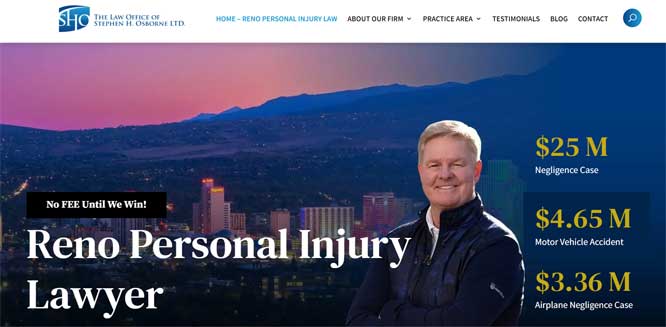
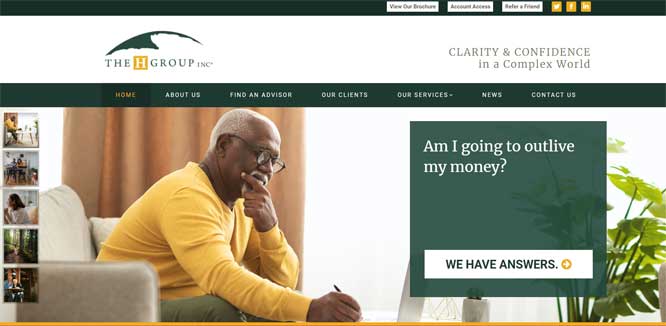
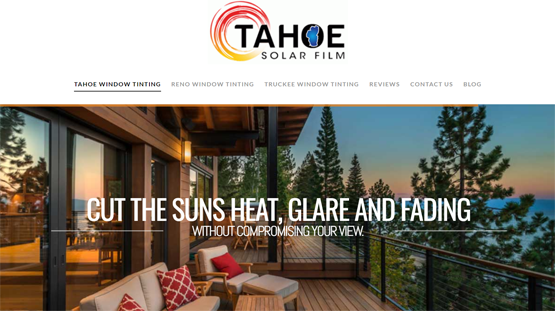
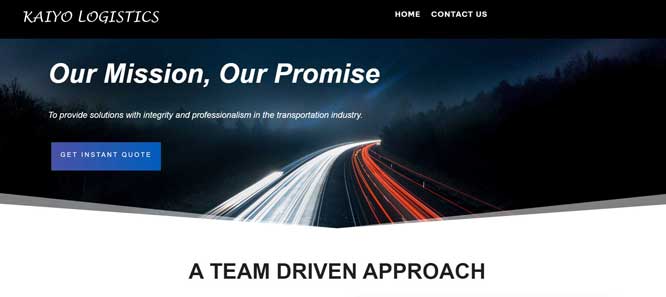
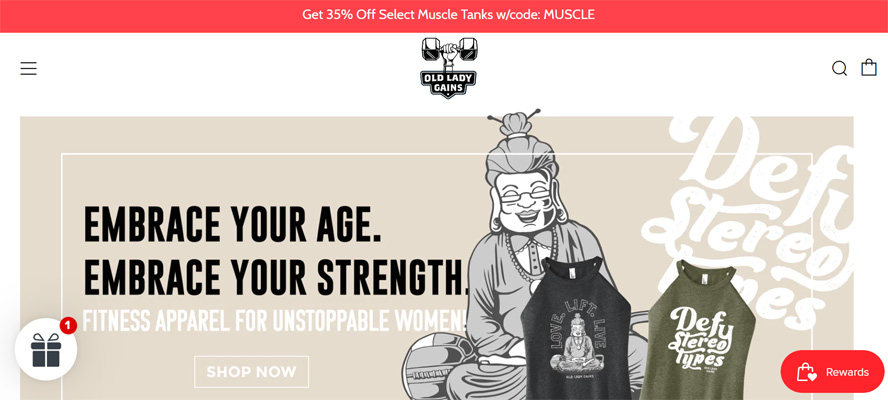
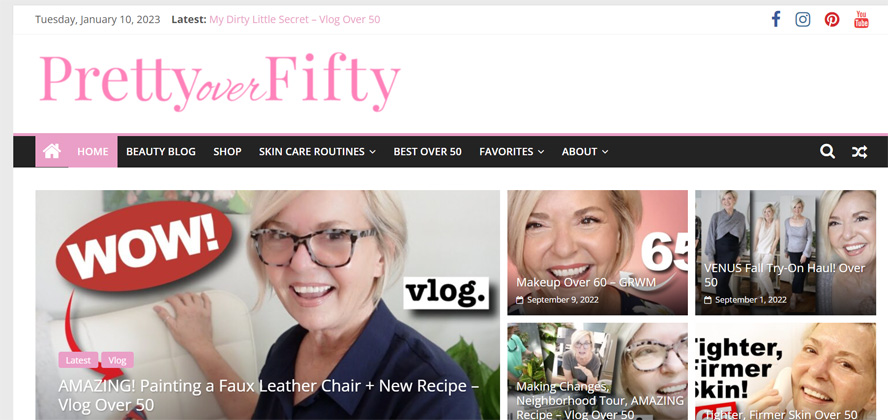
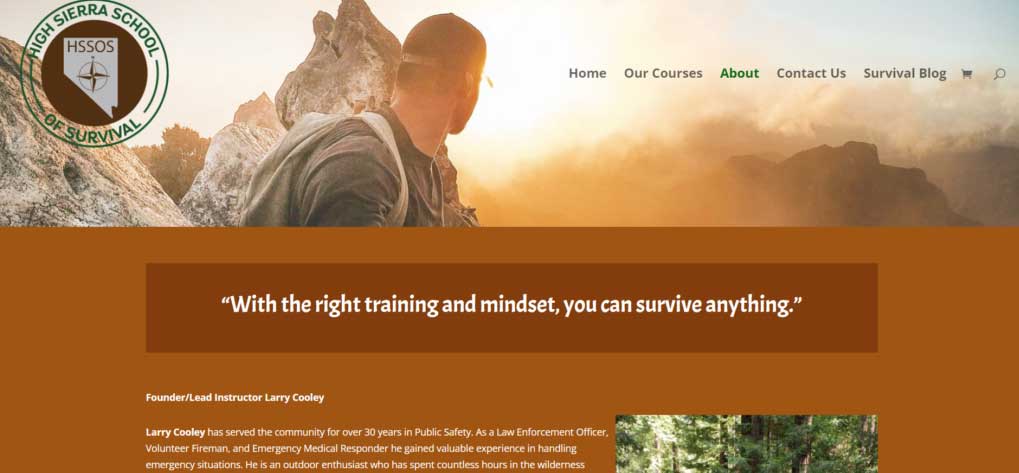
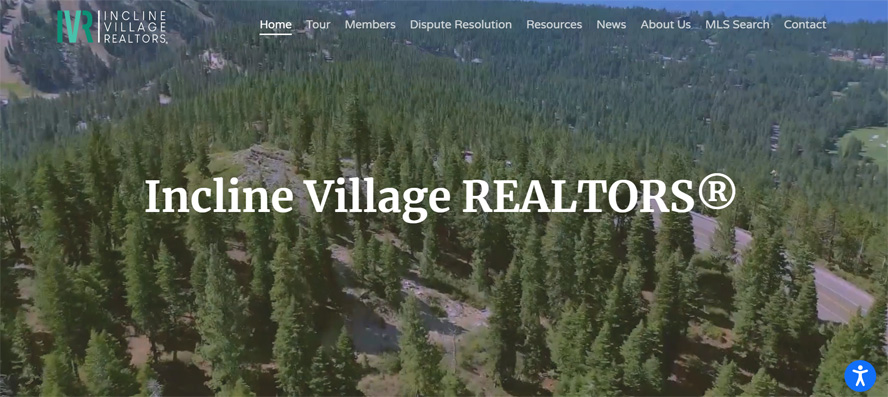
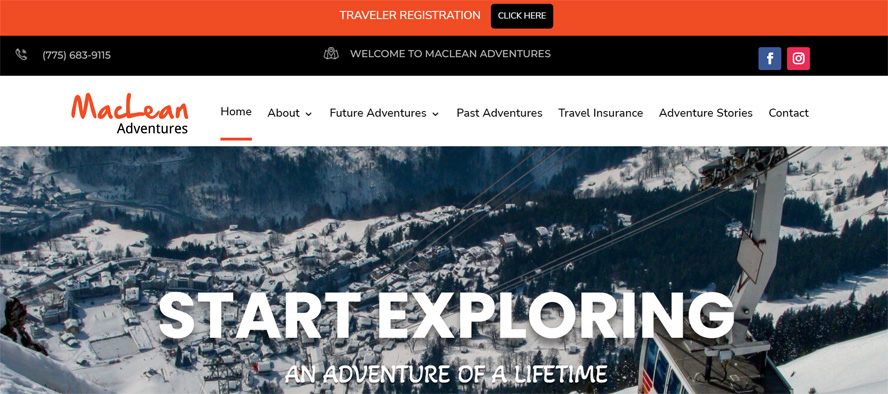
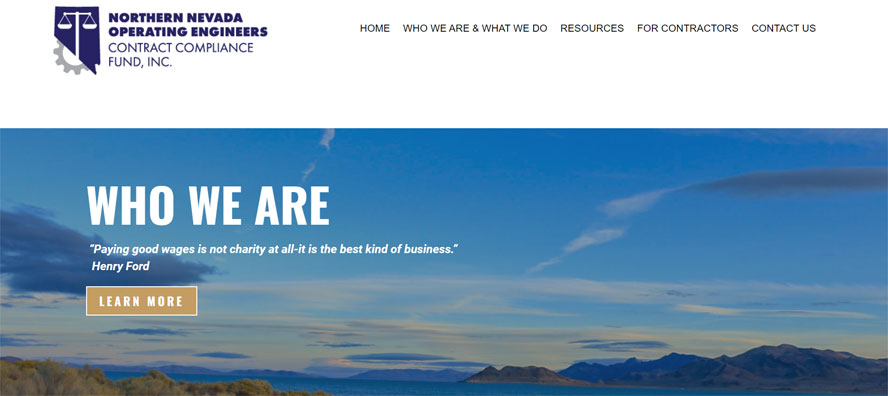
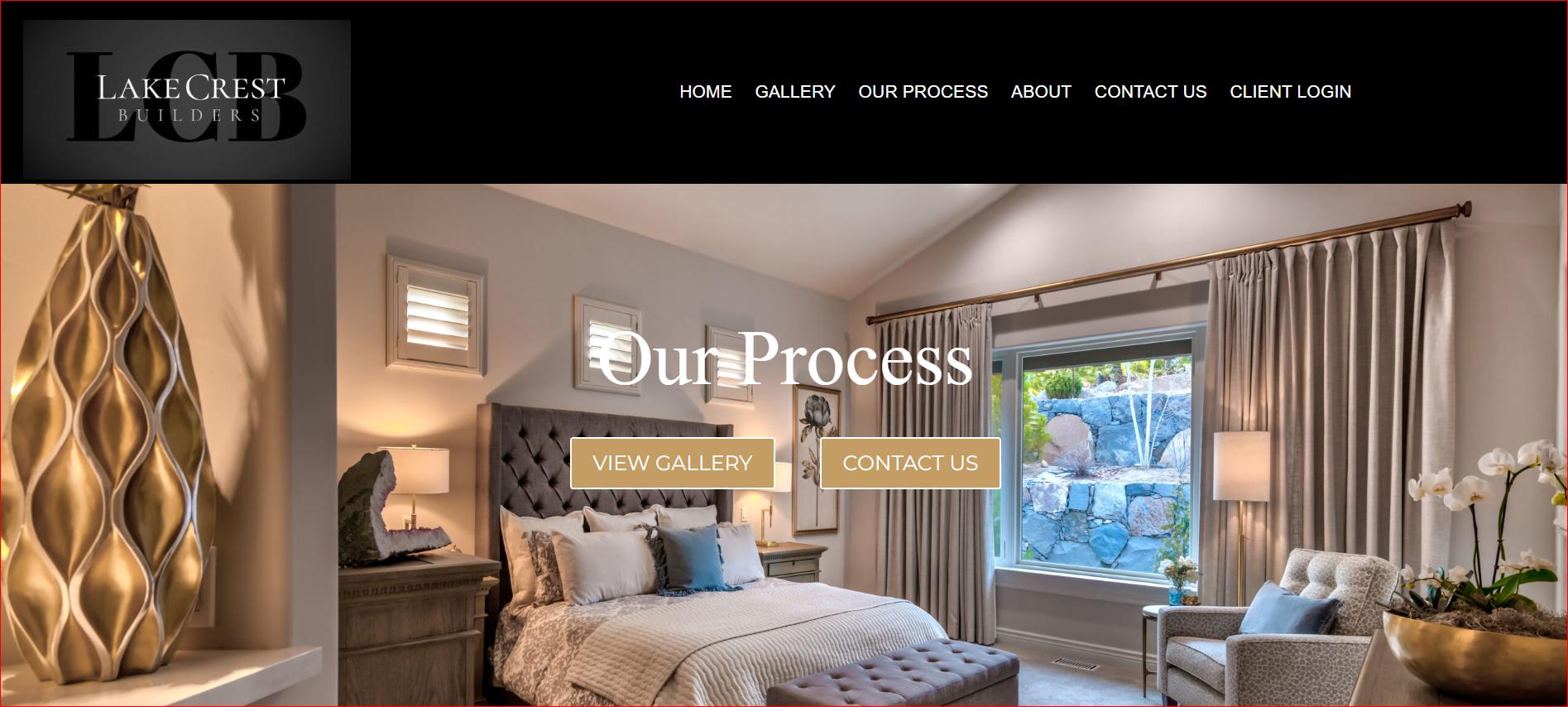
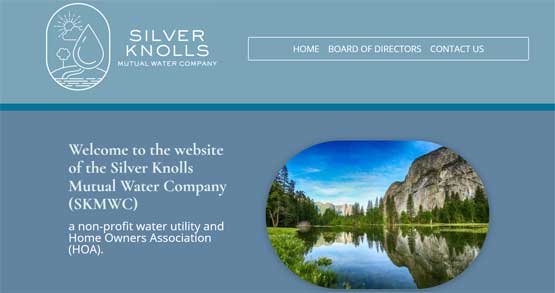
Have a look at some of the Web Designs done for clients in Reno and beyond.
Oh, and if you want to try this out, go ahead and text or call 775-870-0488. New clients get one free website update.
Have you been pouring every free minute of your day into learning Google Web Designer?
Wasting countless afternoons and weekend too?
Google web designer is an amazing web design tool, but still takes many months of research and training in order to use it correctly.
Save time and money by hiring a professional web designer in Reno. Most 5 page custom websites start at $1500.
You will have a quality web design in 2 to 3 weeks tops.
Sandy and her marketing team can help get your website to the top of the search results with Local SEO.
Lets get your business online…text or call 775-870-0488. New clients get one free website update.