Website Design Reno
Introduction
Designing a website is a process that involves many steps and considerations. In this article, we’ll walk you through some of the most important aspects of designing a website so that you can create one your customers will love.
The Different Elements of Web Design
There are many different elements that go into web design. And, when you’re trying to create an impressive website that your customers will love, it’s important to make sure that all of these elements work together seamlessly. Here’s a quick overview of some of the most important elements of web design:
Layout: The layout of your website is important for both aesthetic and functional reasons. You want your website to look good, but you also want it to be easy for people to find what they’re looking for. A good layout will strike a balance between these two goals.
Design: The overall design of your website should be in line with the branding of your business. Your website should reflect the same colors, fonts, and style as your other marketing materials.
Creating a layout
Creating a layout is the first step in designing a website. You need to decide how you want your website to look and feel. Do you want it to be simple and clean or more complex with different sections? Once you have an idea of the overall layout, you can start creating individual pages.
Be sure to keep your target audience in mind when designing your website. What type of information are they looking for? How easy do you want it to be for them to find what they need? Creating a user-friendly website will help ensure that your visitors stick around.
If you’re not sure where to start, there are plenty of web design templates available online. Find one that you like and use it as a starting point for your own website. Just be sure to customize it so that it reflects your own unique style.
Using colors and fonts
One of the most important aspects of web design is choosing the right colors and fonts to use. The colors you choose will set the tone for your website and can help to make it more inviting and visually appealing to potential customers. The fonts you use should be easy to read and should complement the overall look of your site.
When choosing colors, it’s important to consider both the emotional response they evoke as well as the message you want to conveyed. For example, if you’re designing a website for a law firm, you’ll want to use more serious, conservative colors like navy blue or grey. On the other hand, if you’re designing a website for a children’s toy store, you’ll want to use brighter, more cheerful colors.
When it comes to fonts, there are two main things to consider: readability and personality. For readability, you’ll want to choose a sans-serif font like Arial or Helvetica that is easy on the eyes. For personality, you can have a little more fun and choose a script or decorative font that reflects the overall tone of your website. Just be sure not to go overboard – too many different fonts can be distracting and hard to read.
Adding images
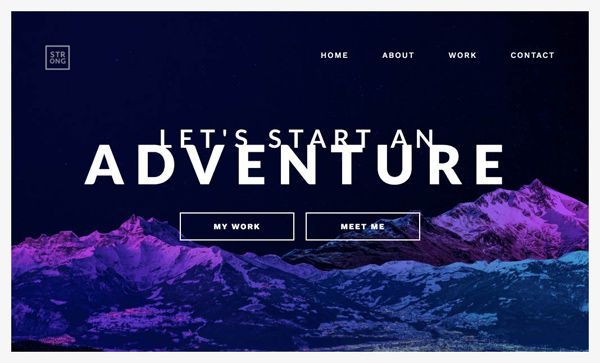
When it comes to website design, adding images can really make a difference in the overall look and feel of your site. Images can help to break up text, add visual interest, and even convey a message or emotion. When used correctly, images can really make your website stand out from the crowd.
There are a few things to keep in mind when adding images to your website. First, make sure that the images you use are high-quality and relevant to your content. Blurry or low-quality images will only make your site look unprofessional. Second, be sure to use alternate text for your images. This is important for two reasons: first, it helps those with visual impairments access your content; second, it helps improve your site’s search engine optimization (SEO).
Finally, be careful not to overuse images. Too many images on a page can make it look cluttered and busy. Stick to a few key images that really enhance your content and leave the rest out. With these tips in mind, adding images to your web design will be a breeze!
Creating user-friendly navigation
Web design is all about creating a user-friendly experience for your website visitors. One of the most important aspects of user-friendly navigation is having a well-designed and easy-to-use navigation menu.
Your navigation menu should be easy to find and easy to use. It should be placed in a prominent location on your website, such as the top of the page. The navigation menu should also be easy to read, with clear and concise labels.
Your navigation menu should be designed so that it is easy to navigate your website. The most effective way to do this is to use a hierarchical structure for your navigation menu. This means creating a main menu with the most important sections of your website, and then sub-menus for each section.
Creating a well-designed navigation menu is essential for creating a user-friendly website. By taking the time to create an effective navigation menu, you can make it easier for your visitors to find the information they need on your website.
Creating compelling content
If you want to have a website that your customers will love, you need to make sure that you have compelling content. This means creating content that is interesting, informative, and engaging. Here are some tips for creating content that will keep your visitors coming back for more:
1. Write interesting headlines.
Your headline is the first thing that people will see, so make sure it’s something that will grab their attention. Use strong keywords and make sure your headline is clear and to the point.
2. Offer something unique.
There’s a lot of information out there on the web, so you need to make sure that your content offers something unique. This could be a new perspective on a topic, or fresh insights into an industry.
3. Keep it relevant.
Your content should be relevant to your target audience. Write about topics that they care about, and offer solutions to their problems.
4. Make it readable.
No one wants to read a wall of text. Breaking up your content into smaller paragraphs and using headlines and subheadings will make it more readable and easier to scan.
5. Use images and videos.
People are visual creatures
Designing for mobile devices
As more and more people use their mobile devices to browse the web, it’s important to make sure your website is designed for these smaller screens. Mobile devices have different screen sizes and resolutions, so it’s important to design your website accordingly. Here are some tips for designing an impressive website your customers will love on their mobile devices:
– Use a responsive design: A responsive design adjusts the layout of your website to fit the width of the device’s screen. This ensures that your website looks great on all devices, from desktop computers to smartphones.
– Use large font sizes: Mobile devices have small screens, so it’s important to use large font sizes to make your content easy to read.
– Use plenty of whitespace: Whitespace helps break up your content and makes it easier to read on small screens.
– Use images wisely: Images can help break up your content and add visual interest, but they should be used sparingly on mobile devices since they can slow down loading times.
By following these tips, you can design an impressive website that your customers will love regardless of what device they’re using.
Optimizing your website for search engines
If you want your website to be successful, you need to make sure it is optimized for search engines. This means using the right keywords, providing quality content, and making sure your site is easy to navigate. By doing these things, you will ensure that your website appears higher in search engine results pages, which will lead to more traffic and ultimately more customers.
Conclusion
Creating an impressive website design is not as difficult as it may seem. By following the tips outlined in this article, you can create a website that your customers will love. With a little creativity and attention to detail, you can have a website that looks great and is easy to navigate. If you need help getting started, there are plenty of resources available online. With a little time and effort, you can create a website that is sure to impress your customers.
Web Design
Introduction
In this article, we’ll explore some of the best AI tools that you can use to create art. Whether you’re looking to create a masterpiece or just have some fun with art, these AI tools will help you get the job done!
What is AI?
AI is a process of programming a computer to make decisions for itself. This can be done through a number of methods, including but not limited to: rule-based systems, decision trees, genetic algorithms, artificial neural networks, and fuzzy logic systems.
2. What are some popular AI tools?
There are many different AI tools available, each with its own strengths and weaknesses. Some of the more popular AI tools include: TensorFlow, Keras, PyTorch, Caffe, andMXNet.
3. How can AI be used to create art?
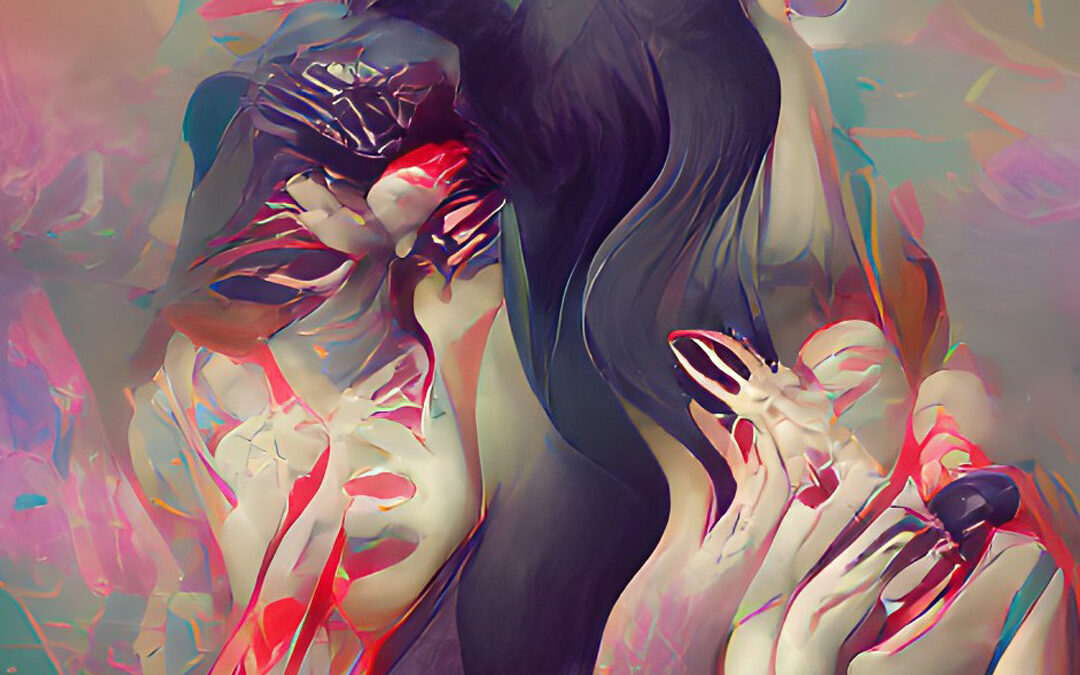
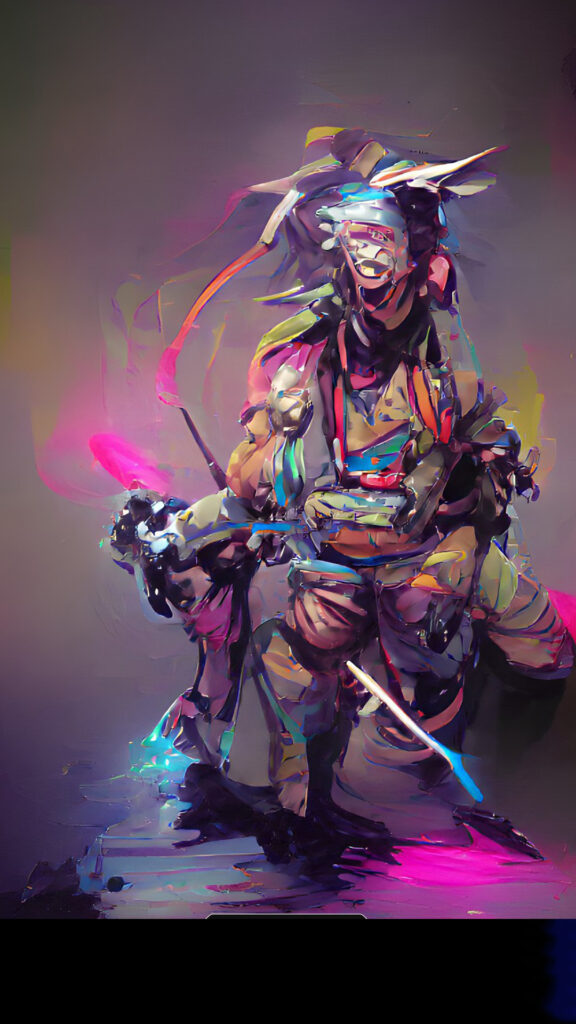
AI can be used to create art in a number of ways. For example, it can be used to generate new images or modify existing ones. It can also be used to create music or videos.
What are the best AI tools to create art?
There are a number of AI tools that can be used to create art. Some of the most popular and effective AI tools include Adobe Photoshop, Corel Painter, and Sketchbook Pro.
Adobe Photoshop is a widely used AI tool for creating art. It offers a wide range of features and options that allow users to create highly realistic and detailed artworks.
Corel Painter is another popular AI tool that is often used for creating art. It offers a wide range of brushes, colors, and textures that can be used to create unique and realistic artworks.
Sketchbook Pro is another AI tool that is commonly used for creating art. It offers a wide range of features that allow users to create detailed and realistic artworks.
More resources on free and paid AI art creators
https://www.rebellink.com/ai-art-generators/
Create art, audio and video.
https://my.replika.ai/
https://www.thedevmasters.com/ai-tools
How can AI be used to create art?
1. AI can be used to create art in several ways. One way is to use AI to generate new ideas for artists to work on. This can be done by feeding data into an AI algorithm and having it generate new ideas based on that data. Another way is to use AI to create art directly. This can be done by programming an AI algorithm to create a piece of art based on certain parameters that are set by the artist.
2. There are several advantages to using AI to create art. One advantage is that it can help artists to come up with new ideas that they may not have thought of on their own. Another advantage is that it can help to speed up the process of creating a piece of art. This is because an AI algorithm can create a rough draft of a piece of art much faster than an artist could.
3. There are some disadvantages to using AI to create art as well. One disadvantage is that it can be difficult to control the output of an AI algorithm, so there is always the potential for something to go wrong. Another disadvantage is that some people feel that using AI takes the human element out of creating art, which can make the final product less personal.
4. Overall, AI
What are the benefits of using AI to create art?
1. AI can help you create art that is truly unique.
2. AI can help you create art that is realistic and lifelike.
3. AI can help you create art that is abstract and experimental.
4. AI can help you create art faster than you could on your own.
Conclusion
The world of AI is constantly evolving, and with it comes new tools to create art. In this article, we’ve compiled a list of the best 100 AI tools to help you get started. From simple online tools to more complex software programs, there’s something on this list for everyone. So what are you waiting for? Get started creating some amazing art today!